
You can’t single-handedly save the environment, but you can have a hand in helping to keep it cleaner and healthier. One way to do this is by using your fireplace and chimney in eco-friendly ways.
Anderson’s Chimney Sweeps & Masonry Services of New Cumberland, PA, would like to give you a few tips on environmentally conscious fireplace and chimney use that will benefit the environment and you.
Modern, upgraded appliances
If you’ve been struggling with an older wall fireplace or heating stove, upgrading to a new model will give you better performance and cleaner burns.
Manufactured fireplaces and freestanding heating stoves on the market today are compliant with the latest EPA emissions and burn guidelines. Fireplaces and stoves made even 10 years ago aren’t outfitted with the same technology and advanced best practices.
 Gas appliance inspections
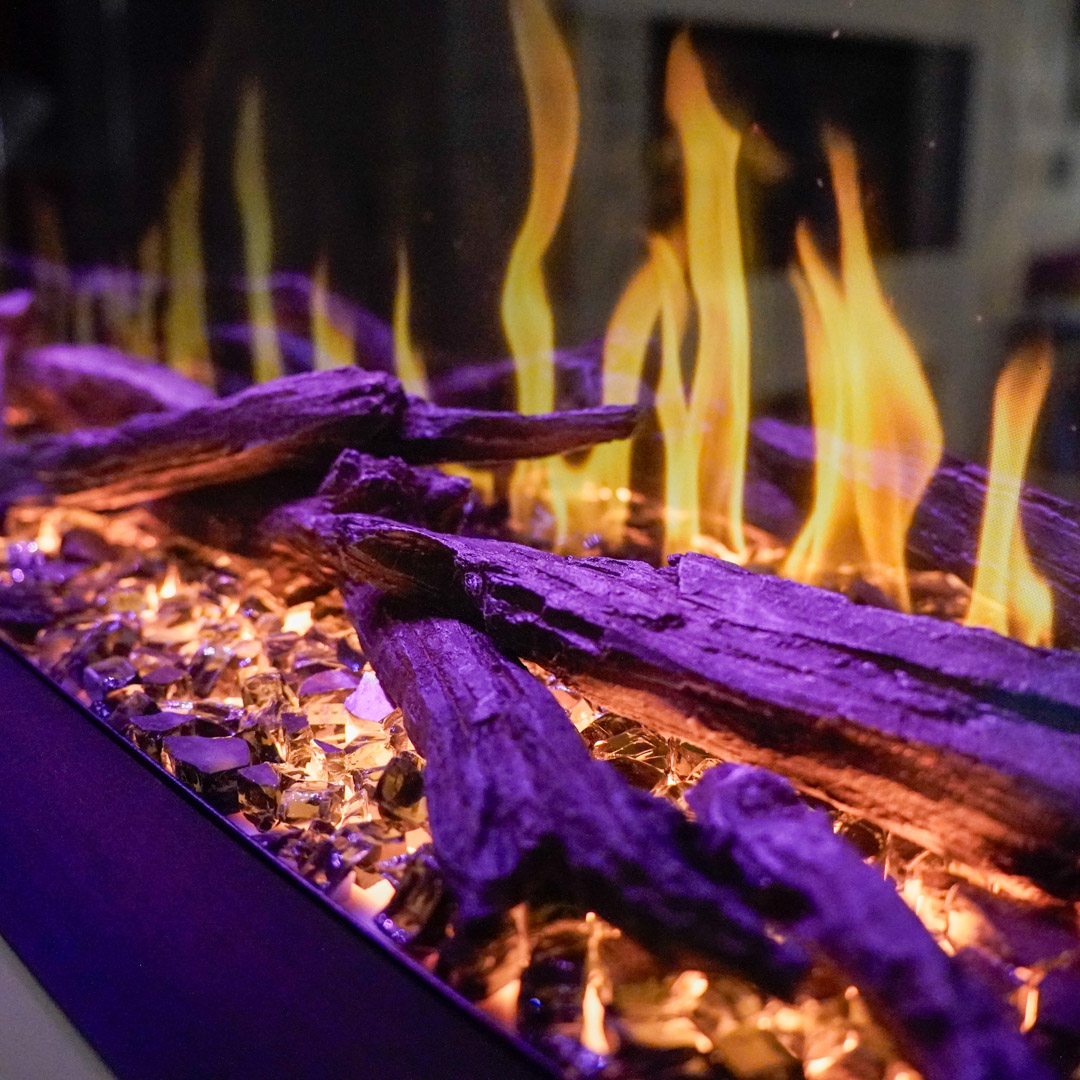
Gas is a clean-burning fuel in fireplaces and stoves, but if the burner, valves, pilot light and other components are old or worn out, it could be creating extra emissions that move into the air of your home.
It’s a good idea with any gas fireplace or heating stove to schedule professional inspections once a year.
Smoke is a problem
Wood is considered a “carbon-neutral” fuel. That means that burning wood adds no more pollution to the environment than unharvested wood does when it naturally decays in a forest. But “burning wood” means wood that burns efficiently.
Smoky wood
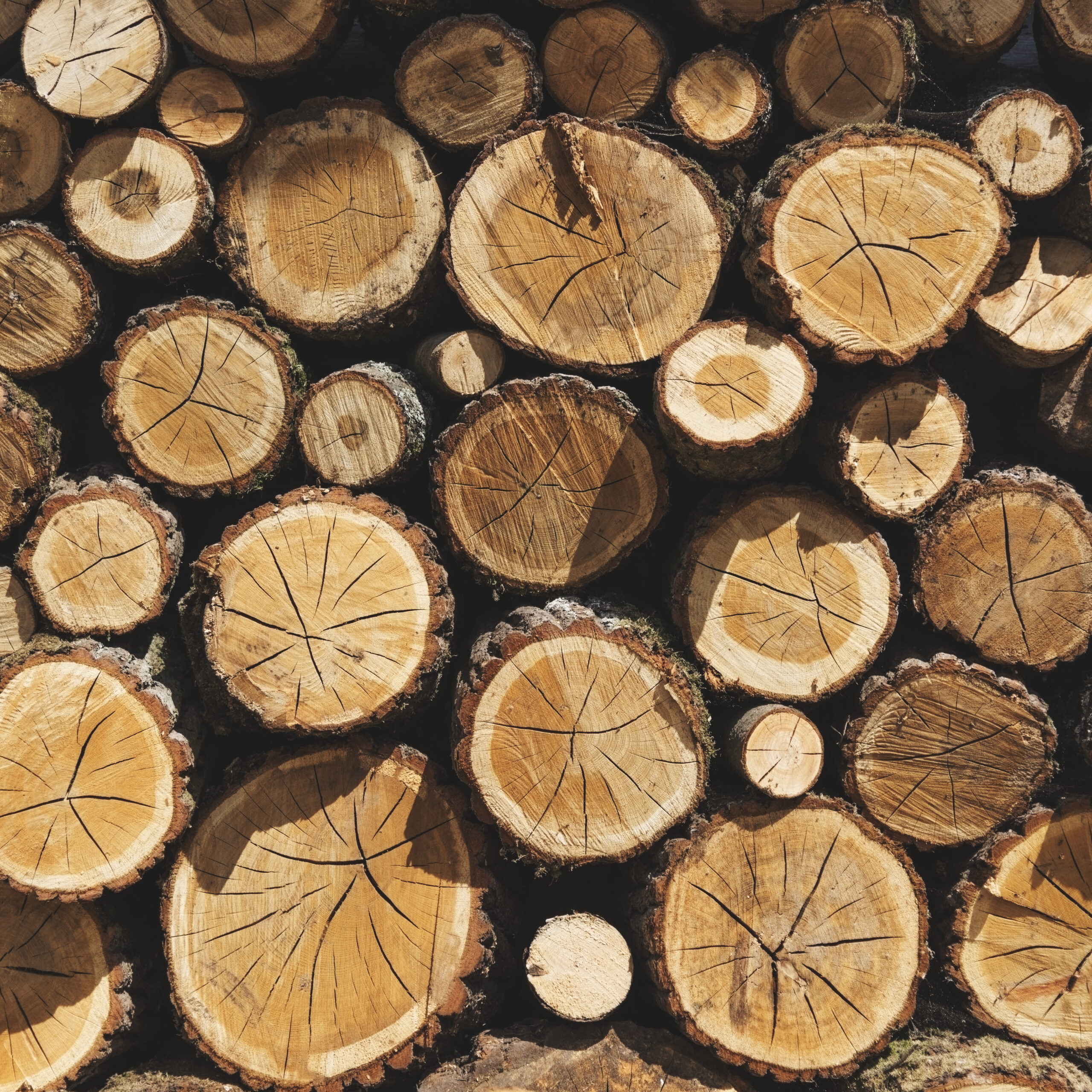
Wood that produces high volumes of smoke reverses the carbon-neutral idea: super-smoky wood is a pollution-positive fuel. Damp, unseasoned firewood can be very smoky, as you’ve probably found out if you’ve used a wood fireplace or stove for any length of time.
Firewood needs about six months post-harvest to dry out. Burning wood too soon will create excess smoke as the heat burns up the wood’s moisture. Burning dry wood will produce minimal smoke.
You can go further with environmental consciousness by buying “sustainably harvested” firewood that’s been procured in ways that are more “eco-friendly.” Another option is to use compressed fire logs made from recycled sawdust that burn more efficiently than natural wood logs.
Reducing fireplace and stove fuel consumption
Less fuel equals less potential
impact on the environment. It also means less cost for you to run your appliance. As noted above, annual gas fireplace and stove inspections will spot early signs of inefficiency so you can get them fixed. It’s the same with wood-burning appliances and their chimneys.
Anything that affects the draft of a wood fireplace and chimney system can cause firewood to burn sluggishly, requiring more wood to give you the warmth you want.
What can affect drafting?
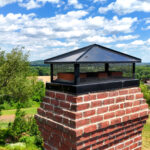
- Clogged mesh in the chimney cap
- A damaged top-sealing damper
- A damaged throat damper just above the firebox
- Leaves, twigs, animal nests and other debris narrowing the flue
- A new chimney liner that’s the incorrect size to vent the fireplace
- Kitchen and bathroom exhaust fans pulling air away from the fireplace
Helping your appliances help the environment
Anderson’s can help with many of the chimney and fireplace issues talked about above. Some of the issues you should be able to address on your own. When you need us in the greater New Cumberland, PA, area, we’re standing by.
Reach a chimney pro by phone or through our contact form.